
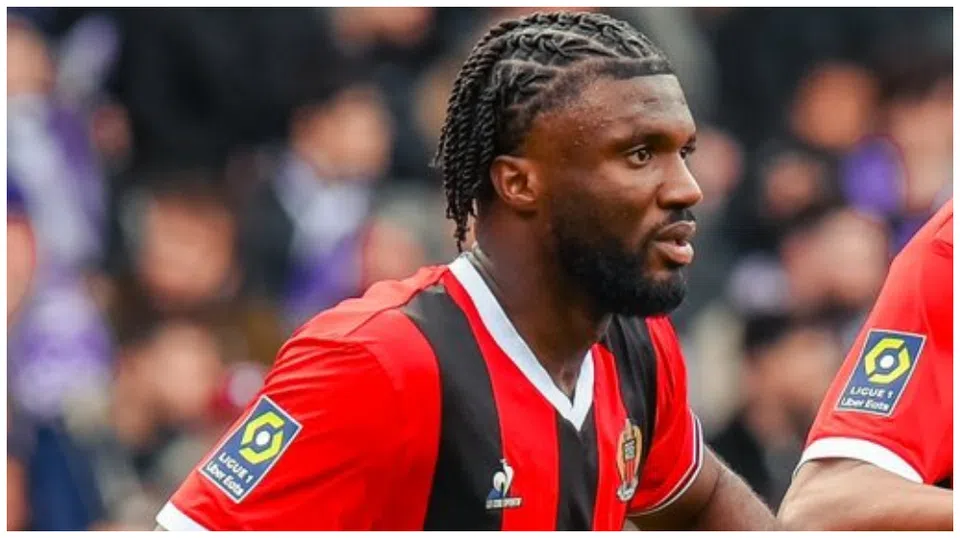
From west London to the French Riviera, the week belonged to Nigerian footballers navigating the highs and lows that define elite sport. The stories of Alex Iwobi, Samuel Chukwueze, and Terem Moffi intersected on different stages, each revealing resolve, pressure, and identity in equal measure. In England, Iwobi lit a fire inside Craven Cottage during Fulham’s nine-goal thriller against Manchester City. In France, Moffi found himself at the center of a storm around OGC Nice and the relationship between fans and the team. Together, these moments illustrated how the journeys of the Super Eagles ripple far beyond the pitch.
Iwobi leads a spirited Fulham fightback against Manchester City
It was the kind of night that leaves a stadium breathless. Fulham fell 5-4 to Manchester City at Craven Cottage, but the scoreline cannot capture the surge of belief that swept through the home crowd in the second half. By the 55th minute the Cottagers trailed 5-1, a margin that could shatter most teams, yet something different flickered in Marco Silva’s side as Alex Iwobi stepped forward with purpose.
Two minutes after that fifth concession, Iwobi cut across the box and curled a precise low shot past Gianluigi Donnarumma to spark what felt like a comeback for the ages. The response was immediate in the stands, a swell of noise that told Fulham they were not done. The narrative then welcomed another Nigerian influence, Samuel Chukwueze, whose introduction from the bench changed the pulse of the contest.
Chukwueze struck twice to drag Fulham within touching distance of parity, and in those moments the collective energy of the team crystallised. It was not simply about goals, it was about the possibility of snatching something improbable against a powerhouse. The narrow defeat still stung, yet the message was clear, Fulham had found a defiant gear when lesser sides might have folded.
Iwobi speaks on the performance and the emotions that followed
In the aftermath, Iwobi’s words reflected both pride and frustration. He acknowledged the resilience of the second half while lamenting the lack of reward. The candor in his reflections offered a window into a dressing room that believes it can rise from turbulent moments stronger and sharper.
“I feel disappointed because we didn’t get anything out of the fighting spirit that we showed, but I think we have to take the positivity from the game,” the 29-year-old told Fulham’s official website.
“We showed that fighting spirit in the second half, but unfortunately, there’s nothing to show for it.”
His tone was grounded, not defensive, and it set the stage for how Fulham could interpret a nine-goal epic. The disappointment was real, but so was the conviction that the second half offered a template for more cohesive, front-foot football. For a team seeking identity and consistency, that kind of conviction matters.
The halftime message and the power of the Craven Cottage crowd
Iwobi revealed that Marco Silva’s halftime message helped reset the mood and the mindset. This was as much about responsibility as it was about tactics, about refusing to let heads drop and respecting the people who fill the seats and sing through setbacks.
“The manager spoke to us at halftime, saying one thing that we can’t let our heads drop, no matter what happened and also do it for the fans,” Iwobi explained.
“And to be fair, they were with us till the last minute of the game, so we put on a show for the people watching, but it wasn’t the result we wanted.”
That bond between team and supporters is never guaranteed. On nights like this one, though, it can become the decisive thread that keeps players running, tackling, and taking on shots that others might hesitate to hit. The crowd did not quit, and neither did Fulham, a synergy that often turns fragile hope into genuine momentum.
What the comeback says about Iwobi, Chukwueze, and Fulham
There are games that shape a season and games that shape belief. This one likely did both for the individuals at the heart of it. Iwobi’s strike and Chukwueze’s brace showed the depth of influence Nigeria’s internationals can have when they play with clarity and confidence. For Fulham, the performance underscored that there is attacking bite and character to build on, even against the most demanding opposition.
Momentum is not a statistic, it is a feeling that settles in a team’s bones. When a side is trailing by four, then surges back to make it a one-goal game, the dressing room takes note. The specifics of the result will sting, but the imprint of that second half, the runs, the shots, the resilience, can outlast the scoreboard.
Trouble at OGC Nice as fan confrontation leaves Moffi weighing his future
Across the Channel a different kind of story unfolded, one shaped not by comeback goals but by the volatile edges of fan passion. After a 3-1 loss to FC Lorient, OGC Nice slid to a six-game losing streak, and the tension spilled outside the training ground. Reports described a chaotic scene as hundreds of supporters converged on players and staff, a confrontation that sent shockwaves through French football.
Accounts from multiple outlets said nearly 400 frustrated fans pressed in at the complex, with allegations that some individuals hit, kicked, or spat at players during the disorder. Terem Moffi, Jérémie Boga, and sporting director Florian Maurice were reportedly singled out, and the reaction from authorities was swift. The LFP, the UNFP, and the public prosecutor opened formal investigations, and the club condemned what it called unacceptable behaviour.
Mayor Christian Estrosi calls for calm and rejects collective stigma
Amid the swirl of allegation and outrage, the Mayor of Nice, Christian Estrosi, stepped in to cool temperatures and recalibrate the conversation. He pointed to the prefecture’s assessment to argue that the situation had been exaggerated in some accounts, and he asked the city to avoid blanket judgment of its supporters.
“No physical violence was noted [by the prefecture] during the exchanges with OGC Nice. And that’s good because any violence would be unacceptable,” Estrosi said on X.
“It is therefore important not to add fuel to the fire or to fuel a controversy that far exceeds the reality of the facts. Neither Nice nor our supporters deserve to be collectively stigmatised.
“I want to call for calm, for responsibility from everyone, and for respect of the identity of our club […] I trust the management and the relevant authorities to re-establish dialogue and to allow our club to move forward.”
It was a public vote for restraint, an appeal to keep the civic identity of Nice intact while the investigations run their course. In moments like these, words from City Hall can help lower the temperature, even if they cannot make the underlying tension vanish.
Moffi’s uncertainty and a fragile dressing room
Inside the club the fallout is tangible. Moffi, a key figure for OGC Nice and a regular presence with Nigeria, is now considering leaving after being caught in the ambush. Jérémie Boga is weighing his options as well, and questions around coach Franck Haise add another layer of strain. The unrest stretches from the stands to the pitch and into the corridors where decisions are made.
For any footballer, the line between criticism and hostility is thin, and when it is crossed the impact can be profound. Performance is physical, but confidence is psychological. When that is unsettled by off-field turmoil, the consequences can travel into training, selection, and the tight margins that define matches. The situation at Nice, by every indication in the reporting, is precisely that kind of crossroads.
Two stories, one thread of pressure and pride
What connects a 5-4 thriller in London with a training-ground confrontation in Nice is the constant pressure that trails professional athletes. On one end, Iwobi and Chukwueze transformed noise into energy, using the roar of Craven Cottage as a platform for a near-miracle. On the other, Moffi faced the darker side of passion, when frustration hardens into fury and threatens the fabric of trust between a club and its people.
These are not just match reports, they are snapshots of the human stakes that define sporting lives. Iwobi’s words about doing it for the fans capture the romance of the game, the partnership that elevates both team and crowd. The appeals for calm in Nice remind us that the same passion requires guardrails, that without them the relationship can fracture. Between those poles sits the essence of football, a theatre of hopes tested by reality.
What it means for Nigerian footballers in the spotlight
For Nigerian internationals, the club stage is where sharpness is honed and confidence is cultivated. Iwobi’s goal, Chukwueze’s brace, and Moffi’s precarious situation all live in that context. They illustrate how form, support, and environment intersect. They also show how quickly narratives can shift, from despair to belief in London, from frustration to institutional scrutiny in Nice, all in the span of a few days.
The lesson is not to romanticise adversity, but to recognise how professionals adapt to it. Some nights summon the best kind of defiance, like Fulham’s surge against one of Europe’s most formidable teams. Other nights require civic leadership and procedural clarity, like the mayor’s call for calm and the formal investigations that follow. In each case, the long view matters, the patience to let process and performance shape the next step.
Key takeaways from a dramatic week for Super Eagles players
- Iwobi’s strike and Chukwueze’s brace showed how Nigerian stars can flip a match’s momentum,
- the relationship between fans and teams requires mutual respect and accountability,
- leadership, resilience, and due process are essential when sport’s passion turns into pressure.
The road ahead shaped by resolve and responsibility
There is no script that can guarantee what comes next. For Fulham, the second half against Manchester City offers a blueprint, an argument for courage and front-foot play that can carry into future battles. For OGC Nice, the path forward may begin with honest dialogue, measured responses, and the rebuilding of trust, the kind that lets players focus on football and supporters feel heard.
In both stories, the human core of the game is unmistakable. The best moments rise from connection, from a crowd that lifts a team, from teammates who seize a spark and turn it into goals. The worst moments come when that bond frays. As Iwobi reflected on putting on a show for the people watching, and as Christian Estrosi urged a city not to stigmatise its own, the week offered a simple truth, football is strongest when passion is matched by perspective.
Final word on pride, pain, and possibility
For Nigerian football fans, this was a week to feel pride in the performance and presence of their stars and to feel concern for the conditions that surround them. The game will keep moving, another whistle will blow, and new stories will take shape. Yet the echoes of this week will linger, a reminder that glory and turbulence often arrive side by side, and that how players, clubs, and cities respond will write the next chapter. The spotlight is bright, the scrutiny is relentless, and the capacity to meet it with character is what turns moments into milestones.